Rádio amador (HAM) vs. GMRS: As principais diferenças que todo usuário de rádio deve conhecer.
May 11, 2026
Se você está procurando por
rádios bidirecionais
Você provavelmente já se deparou com duas opções populares:
PRESUNTO
rádio (também conhecido como rádio amador) e
GMRS
(Serviço Geral de Rádio Móvel). Embora ambos permitam a comunicação sem fio, eles são projetados para finalidades diferentes e possuem regras e recursos distintos. Compreender essas diferenças é crucial para escolher o serviço de rádio certo para suas necessidades — seja você um entusiasta de atividades ao ar livre, um empresário ou um amador.

Licenciamento: A Divisão Fundamental
-
A diferença mais significativa entre o rádio amador (HAM) e o GMRS reside nos seus requisitos de licenciamento.
Rádio amador
Para isso, você precisará passar em exames técnicos (disponíveis nas classes Técnico, Geral e Extra) que testam seu conhecimento sobre regulamentos de rádio, eletrônica e práticas de segurança. Por outro lado,
GMRS
Não é necessário fazer exame — basta preencher um formulário da FCC online.
-
Por que isso é importante:
GMRS
Oferece acessibilidade instantânea para famílias e usuários ocasionais, enquanto
Rádio amador'
O requisito do exame garante que os operadores compreendam a etiqueta adequada no rádio e os princípios técnicos.
Objetivo principal: comunicação entre hobby e prática
-
A FCC concebeu esses serviços com objetivos distintos em mente.
Rádio amador
O principal objetivo do rádio amador é o hobby, a experimentação e o serviço público — incluindo comunicação de emergência durante desastres, exploração científica e inovação tecnológica. Os radioamadores frequentemente experimentam com modos digitais, comunicação via satélite e contatos de longa distância (DX). É importante ressaltar que o rádio amador proíbe o uso comercial — você não pode usá-lo para fins comerciais.
-
GMRS
Em contraste, o [nome da plataforma/sistema] foi criado para comunicação pessoal e familiar (como recreação, atividades ao ar livre e coordenação de vizinhança) e uso comercial limitado. É ideal para
curto alcance
, necessidades do dia a dia, como viagens de acampamento, passeios fora de estrada ou manter contato com familiares em uma grande propriedade.
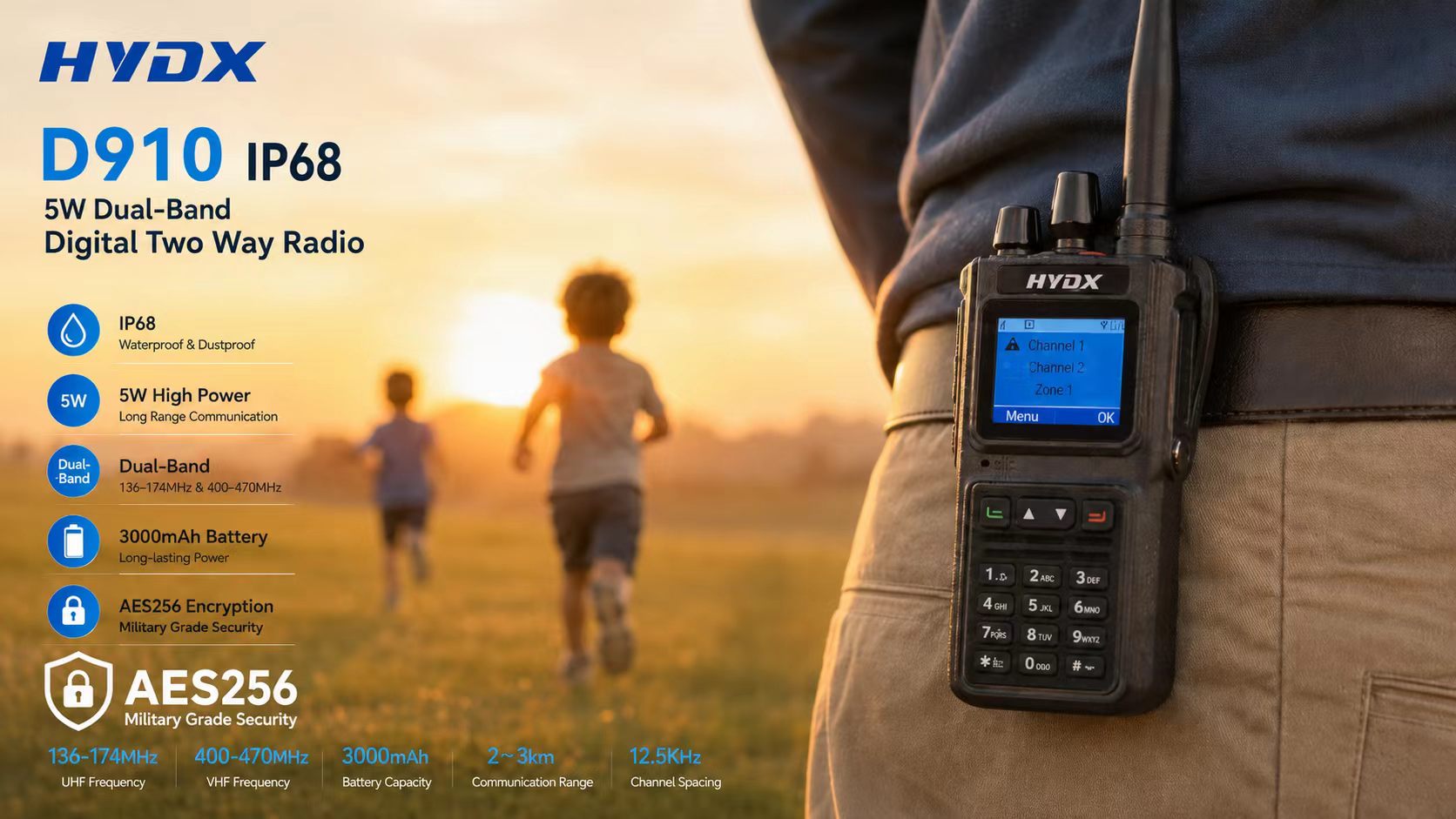
Frequência e potência: alcance e capacidade
-
Em termos de frequência e potência, os dois serviços diferem drasticamente.
Rádio amador
concede acesso a um vasto espectro de frequências, incluindo
VHF, UHF, HF,
micro-ondas e muito mais. Sua potência de saída pode atingir até 1.500 watts PEP (para detentores de licença Classe Extra) na maioria das bandas, permitindo comunicação global via bandas HF e satélites, bem como comunicação local via VHF/UHF. Radioamadores também têm acesso a milhares de repetidores amadores em todo o mundo e podem até construir os seus próprios.
-
GMRS
, no entanto, está limitado a
22 canais UHF
(462-467 MHz)
que compartilha com
FRS
(Serviço de Rádio Familiar). Sua potência de saída varia de acordo com o canal: 5 watts para os canais 1 a 7, 0,5 watts para os canais 8 a 14 e um máximo de 50 watts para os canais 15 a 22 e repetidores. O alcance é tipicamente de 1 a 5 milhas para comunicação simplex e até mais de 20 milhas ao usar repetidores.
GMRS
Os repetidores são limitados a unidades específicas do GMRS e você precisa de uma licença para usá-los.
-
Vantagem HAM
A capacidade de se comunicar globalmente usando as bandas de HF é um divisor de águas para o preparo para emergências e para as conexões internacionais.
GMRS
Embora mais limitado, oferece simplicidade e alcance suficiente para a maioria das necessidades locais.
Equipamentos e Flexibilidade: Personalização versus Simplicidade
-
Rádio amador
Oferece flexibilidade incomparável para os usuários. Os operadores podem construir seus próprios equipamentos, modificar rádios e experimentar vários modos (incluindo
AM, FM, SSB e digital
Os rádios HAM estão disponíveis em configurações portáteis, móveis e de estação base, com recursos avançados como repetidores de banda cruzada e processamento digital de sinais.
-
GMRS
Por outro lado, o equipamento é pré-programado e simplificado — não é necessário conhecimento técnico para operá-lo. A maioria dos rádios GMRS são portáteis.
walkie-talkies
"ou unidades móveis com canais fixos e opções de personalização limitadas. Ao contrário do FRS, no entanto, o GMRS permite antenas externas, o que pode melhorar significativamente o alcance."
Uso emergencial: perspectivas de preparação
-
Ambos os serviços desempenham papéis importantes na comunicação de emergência, mas com pontos fortes diferentes.
Rádio amador
é a espinha dorsal de muitas redes de comunicação de emergência (como
ARES/RAÇAS
Os radioamadores podem se comunicar a longas distâncias quando a infraestrutura falha, acessar frequências de emergência para se conectar com equipes de resposta a emergências e fornecer informações críticas durante desastres naturais.
-
GMRS
É útil para a coordenação de emergências locais — como vigilância comunitária ou evacuação familiar — mas não possui o longo alcance do rádio amador. Os repetidores GMRS podem ajudar a ampliar a cobertura em áreas afetadas, tornando-se uma opção confiável para necessidades de emergência de curta distância.
Finalmente
O rádio amador e o GMRS desempenham papéis distintos, porém complementares, no mundo da comunicação bidirecional. O GMRS oferece simplicidade e acessibilidade para o uso diário, enquanto o rádio amador proporciona conhecimento técnico aprofundado e alcance global para entusiastas e pessoas interessadas em preparação para emergências.